
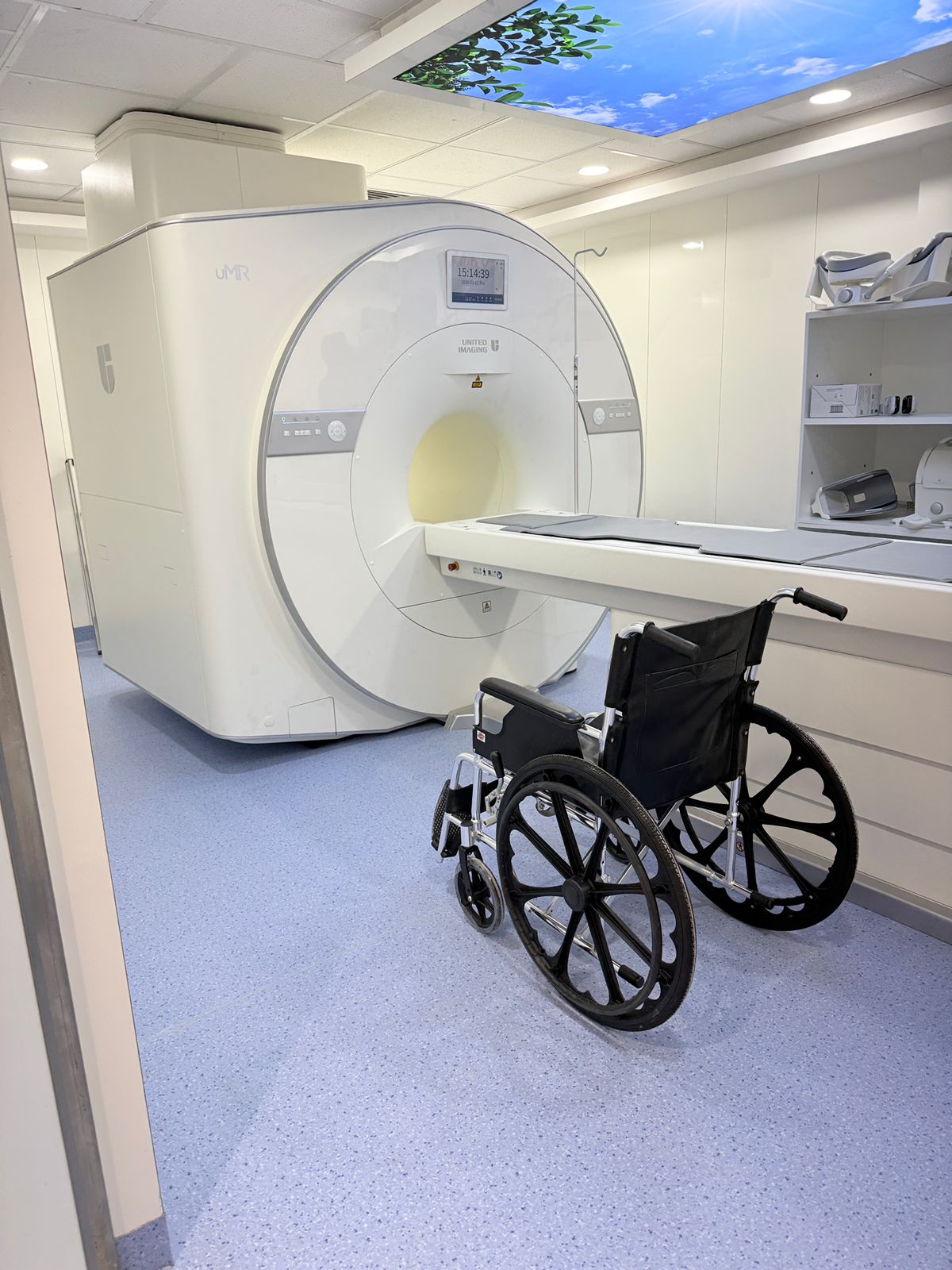
Magnetic resonance imaging (MRI) is an essential diagnostic tool in modern medicine, allowing physicians to gain a detailed image of the body without ionising radiation. The strength of the scanner’s magnetic field creates a more complex safety case in the room containing an MRI device. If the patient can not walk or needs assistance with mobility, how will they get there safely and return home afterwards? This is where the MRI-Compatible Mobility Wheelchair can help because they enable safer, smoother, and more comfortable patient movement in MRI departments.
Importance of Safe Mobility in MRI Departments
They may be elderly, post-operative patients, or just have stiff and painful joints with limited ability to move. Transporting these patients from the waiting area to the MRI room needs organized and suitable equipment. Traditional wheelchairs often possess ferromagnetic materials that constitute a significant hazard in the tightly controlled environment of MRI.
An MRI-Compatible Mobility Wheelchair provides the necessary support needed to transport patients in settings where it is important to consider proper safety measures during an MRI. These specially-designed wheelchairs allow the use of appropriate Non-ferromagnetic or MRI-compatible materials to ensure that healthcare personnel can effectively control patient movement during treatment while preserving workflow efficiency.
Improving the Safety of Patients Near Magnetic Imaging Units
Every imaging facility lists patient safety as one of its top priorities. The powerful magnet inside an MRI scanner can attract certain metallic objects with enough force to transform them from unsuitable equipment into lethal projectiles. Because of this desire to keep the machines apart, hospitals and imaging centers need to carefully regulate what equipment comes in their limited MRI spaces.
Mobility Wheelchairs specially built for MRI? The answer is: Yes! An MRI-Compatible Mobility Wheelchair. Its unique design aims to minimize the dangers of inappropriate mobility aids near MRI scanners. The wheelchair is utilized as part of a well-planned patient transfer system devised to ensure the safest environment possible for patients and healthcare personnel.
Facilities should always adhere to the MRI safety guidelines and access restrictions put forth by the manufacturer of the equipment and their own safety procedures. Selecting the right mobility equipment is a vital part of meeting these safety parameters.
Improving Patient Comfort and Dignity
For many patients, an MRI is already somewhat of a new stress or different experience. People with difficulty getting around often feel increased anxiety when they must walk from one part of a hospital or imaging center to another. Having a reliable mobility solution that is designed to get you from point A to B with ease could help.
The Mobility wheelchair eliminates the need for MRIs by providing patients with limited mobility to be transferred without the excess strain of a manual transfer. This way, healthcare staff no longer have to ask your patients to walk across dubious floors, or move awkwardly from one piece of inadequately matched equipment to another.
Such devices may be especially beneficial to elderly patients, people with impaired movement ability and persons who feel uncomfortable while standing or walking. Improving the transportation process provides a way for patients to feel more comfortable and dignified with MRI.
Supporting Efficient MRI Department Workflows
In crowded hospitals and testing centers, operational efficiency is now as critical as patient comfort. An MRI will often consist of many patients scheduled during a day, and inefficient transportation logistics affect the throughput and total utilization of the entire department. Keeping special mobility apparatuses at hand can boost personnel efficiency in moving patients and maintain compatibility with relevant MRI security practices.
WORD: MRI-Compatible Mobility Wheelchair: Why research? A wheelchair that works in an MRI can be a key part of an integrated MRI infrastructure solution. The system, which also can reduce unnecessary transfers, improves coordination between healthcare providers and patients when integrated into the department’s patient-handling workflow.
Selecting an appropriate MRI-safe mobility solution
There are multiple factors to keep in mind while buying MRI-Compatible Mobility Wheelchair for your healthcare facility: ∙ Material Compatibility│ : The material used in the wheelchair must be non-ferromagnetic & should not interfere while imaging is taking place. The wheelchair must be suitable for use in the appropriate MRI zone and utilized according to standard operating procedures of the facility as well as manufacturer recommendations.
Similarly, it only makes sense to choose a solution that can meet the requirements of both patients and healthcare professionals. A full-service mobility wheelchair is designed to safely transport patients while also streamlining and facilitating staff’s handling of the patient.
Next Generation MRI for Patient-centered Approach
As healthcare becomes increasingly oriented around patient-centered experiences, MRI departments are shifting their gaze from advanced imaging tech toward improving every step of the patient’s journey. Everything matters, from MRI-compatible interiors and transport solutions to patient-friendly environments for better experience, a safer and more comfortable experience.
An example of investing in a patient-centric approach is providing MRI Compatible Mobility Wheelchair. Turnkey MRI Solutions Perfectly Blend Safety with Patient Comfort and Operational Efficiency. Creating a More Supportive MRI Environment for Hospitals & Diagnostic Centers: Specialized mobility solutions can help hospitals and diagnostic centers create the best commercial environment for an ultra-fast operation.
In Conclusion
Patient transportation in MRI departments is often a critical and necessary process that can be made safe and comfortable. MRI-Compatible Mobility Wheelchair thus proves to be a perfect solution for improving mobility and aiding MRI safety standards in healthcare facilities, along with enhancing the patient experience there. By planning for the #1 priority – patient safety and comfort, MRI-compatible mobility solutions are a must in the quest to create a safer, more user-friendly environment for hospitals, diagnostic centres and imaging facilities.